
Understanding the Role of Personalization
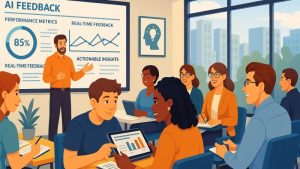
Personalized tutoring has emerged as a fundamental component in modern education, especially in enhancing student confidence. Traditional classroom settings often adopt a one-size-fits-all approach, where the diversity of learning styles and individual needs may be overlooked. In contrast, personalized tutoring tailors the learning experience to fit each student’s unique needs, interests, and preferences.
The American Psychological Association (2019) underscores the power of personalized learning in boosting student engagement and motivation. When lessons are customized to cater to a student’s preferred learning style—be it visual, auditory, reading/writing, or kinesthetic—they are likely to grasp concepts more readily. For instance, a visual learner may thrive on idea maps and infographics, while an auditory learner benefits from discussions and verbal explanations.
Research by Pashler et al. (2008) supports the premise that adapting instruction according to varied learning styles significantly enhances comprehension and retention. Personalized tutoring empowers students by focusing on their challenges, allowing tutors to guide them through difficulties with precision. This targeted support not only improves academic performance but cultivates a greater sense of ownership over their own learning journey.
Encouraging Self-Directed Learning
Another significant advantage of personalized tutoring is its ability to foster self-directed learning. This approach encourages students to take charge of their educational experiences, which is essential for building confidence. When learners are given the autonomy to set personal goals and explore their interests, they become more engaged and motivated to learn.
Research suggests that self-directed learners develop better critical thinking and problem-solving skills, contributing to their overall educational development (Knowles, 1975). Personalized tutoring can support this process by guiding students in formulating concrete goals and providing them with the tools they need to achieve those goals. Incorporating strategies such as goal-setting worksheets and self-reflection journals can further ensure that students track their progress and celebrate their achievements, reinforcing their confidence along the way.
Building a Safe Space for Questions
Creating a supportive and open learning environment is paramount for enhancing student confidence, and personalized tutoring excels in this domain. When students feel safe to ask questions and express their curiosities without fear of judgment, they engage more actively with the material. A tutor’s role is vital in fostering this environment through patience, encouragement, and open communication.
Vygotsky’s (1978) social constructivist theory highlights the significance of a positive social context in learning, emphasizing that collaboration and communication enhance cognitive development. Establishing a safe space encourages students to explore and ask questions, which are crucial for effective learning. Utilizing discussion forums, regular feedback sessions, and a non-threatening approach can help maintain this supportive atmosphere.
This is especially important for students who may struggle with self-esteem or believe they are “bad at studying.” Many learners internalize their difficulties, leading to a diminished sense of intelligence. Personal tutoring counters this narrative by allowing learners to express their challenges while receiving tailored support.
Conclusion
The impact of personalized tutoring on student confidence is profound and multifaceted. By understanding the critical role of personalization, fostering self-directed learning, and creating a safe environment for inquiries, tutors can significantly enhance their students’ educational experiences and overall confidence. The shift from a rigid design to a more adaptive tutoring approach not only benefits student learning but also equips them with skills necessary for lifelong success.
Effective tutoring requires more than just knowledge; it demands adaptability, empathy, and research-based strategies that address students’ evolving needs. In summary, embracing varied instructional techniques not only improves engagement but also activates diverse cognitive pathways that enhance retention and comprehension.
References
- American Psychological Association. (2019). The learning styles myth. Monitor on Psychology, 50(8). [Link]
- Knowles, M. S. (1975). Self-Directed Learning: A Guide for Learners and Teachers. Association Press.
- Pashler, H., McDaniel, M., Rohrer, D., & Bjork, R. (2008). Learning styles: Concepts and evidence. Psychological Science in the Public Interest, 9(3), 105–119. [Link]
- Vygotsky, L. S. (1978). Mind in Society: The Development of Higher Psychological Processes. Harvard University Press.